


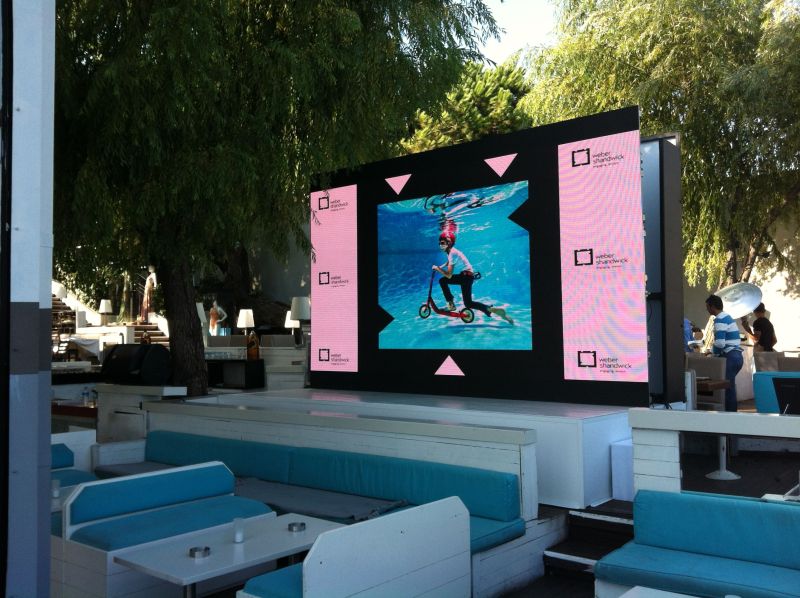
LED screens are composed of high-quality LEDs arranged side by side. Controlled by electronic chips, these LEDs can increase or decrease their light output. Therefore, each LED has a different light output. Generally, an LED screen resembles a computer monitor or television. Outdoor LED screens can be thought of as giant televisions, offering the highest quality image without being affected by sunlight. The image transmitted from external media is processed by the LED screen's control systems and projected onto the screen. LED screen technology essentially consists of adjusting the brightness of the color to red, blue, or green in the corresponding square of the LED screen.
Outdoor LED screens are preferred because they offer results that display devices like televisions and projectors cannot achieve in daylight. Many companies, especially those in the advertising sector, utilize outdoor LED screen technology to achieve high-quality results. Outdoor LED screens are durable and have no protective surface. Their viewing angle can reach up to 140 degrees. LED screens, which have become essential for advertising, are preferred in many areas, including outdoor advertising, the service sector, indoor advertising presentations, meetings, concerts, the service sector, stage applications, company promotions, hotels, stores, and trade show booths. They can also be used in shopping malls, stadiums, scoreboards, mobile advertising, and all types of sporting events. Because they can be produced in very large sizes and provide excellent image quality in daylight, outdoor LED screens are the most effective method used by advertising companies and those closely following promotional technologies. Equipped with cutting-edge technology, LED screens help companies maximize their advertising and, in turn, increase sales.
LED screens, which are becoming increasingly popular every day, are becoming a visual tool, especially in city centers. The primary reason for the need for LED screens in outdoor advertising is that devices like televisions, projectors, and monitors don't provide sufficient light during daylight hours. LED screens deserve to be preferred for their high light quality, both in daylight and outdoors. Therefore, they provide the highest quality image for long-term and long-distance displays. The price of outdoor LED screens can increase directly proportionally to their quality. Companies seeking long-lasting advertising can choose LED screens. LED screens have an average lifespan of 100,000 hours, which equates to 12 years of continuous operation. This doesn't mean LED screens are obsolete after 12 years. This is because the light and brightness will no longer be as bright as they were when they were first used. LED screens can continue to be used after 12 years. Fenova LED Technologies offers fixed prices for outdoor LED screens. Prices are determined by the desired size, usage, and area.